
Posts Tagged ‘UK Food Standards’
Food Hygiene Legislation

Food Hygiene Legislation Learning and applying what you learn in a food hygiene course starts with understanding the basic food principles and what pieces of food hygiene legislation inform them. These regulations are not just there to teach you the best practice. They are there to ensure employers and employees are held accountable for food hygiene…
Read MoreFood Allergen Labels
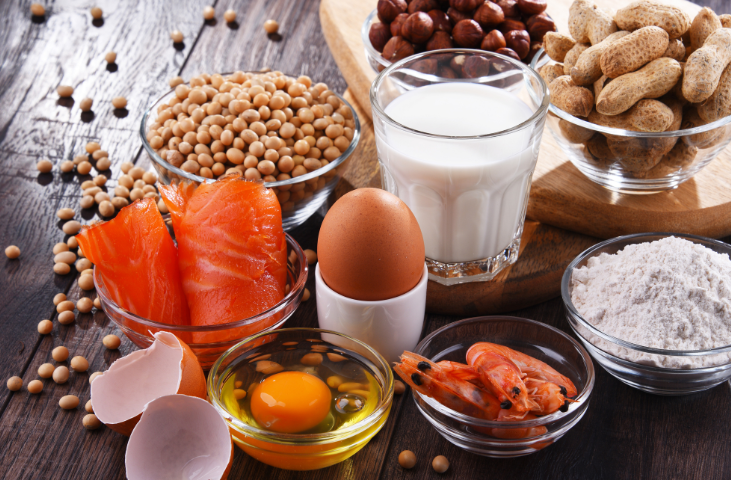
Food Allergen Labels – Why They’re Important The food we eat undergoes a lot of inspection and must meet many requirements before it eventually reaches us – this is to keep us safe and to stop serious incidents of disease. However, between the food industry lacking in adhering to strict standards and population’s general mistrust…
Read MoreWhat Does Best Before Mean? How to Understand Food Dates
Part of food hygiene doctrine is ensuring that all your produce is fresh and/or safe to eat. However, the food dating system can be difficult to understand. There are 4 main date types. You should base your actions on the date presented and whichever date type assigned to it. So, what does best before mean,…
Read MoreThe Importance of Handwashing in Food Service

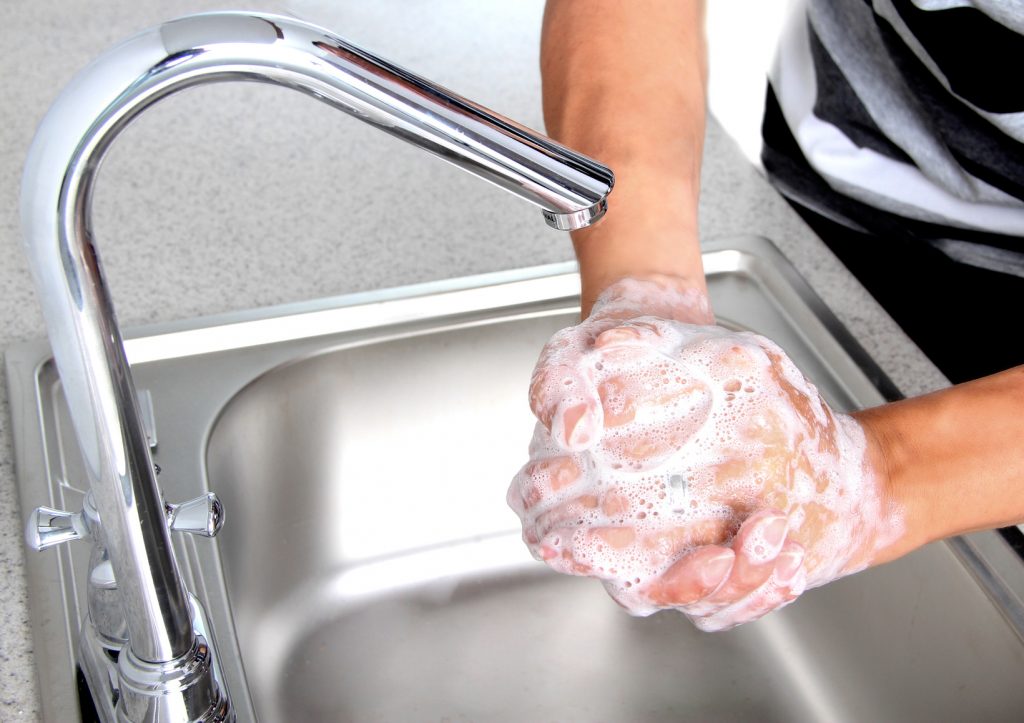
The importance of handwashing in food service cannot be underestimated; it is a key tenet of good food hygiene. If you are preparing or serving food, at work or at home, wash your hands well and often, lest you face the consequences. Bacteria can spread easily from physical contact. In a kitchen, this means it…
Read MoreHow long does a food hygiene course take?
You need to set aside time for food hygiene training to fulfil the legal requirements if you work around food. But exactly how long does a food hygiene training course take? Level 1 Time taken to complete: Typically, around 1 hour for an online course such as Level 1 Food Hygiene Training. Food hygiene training…
Read MoreFood Allergen Poster
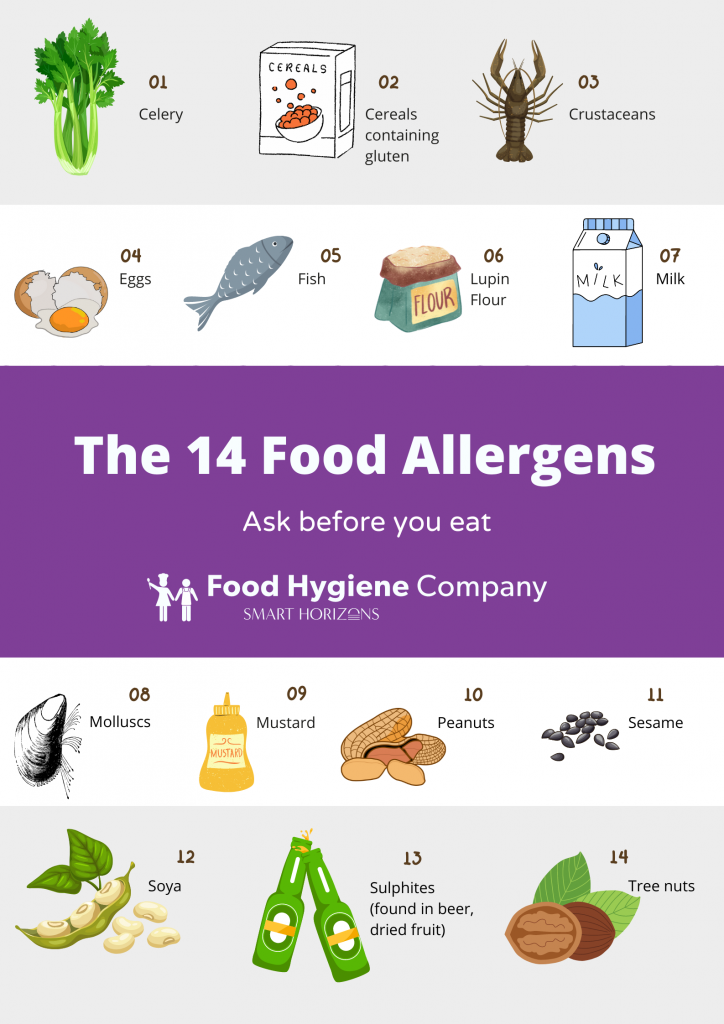
Food Allergen Poster – Why You Need One The responsibility for alerting customers to the presence of an allergen or potential cross-contamination is firmly with the food supplier. To make this process easier, we’ve created a free food allergen poster for you to pin up in the kitchen. It details the 14 major allergens, as…
Read MoreWhat does HACCP stand for? Our FAQs
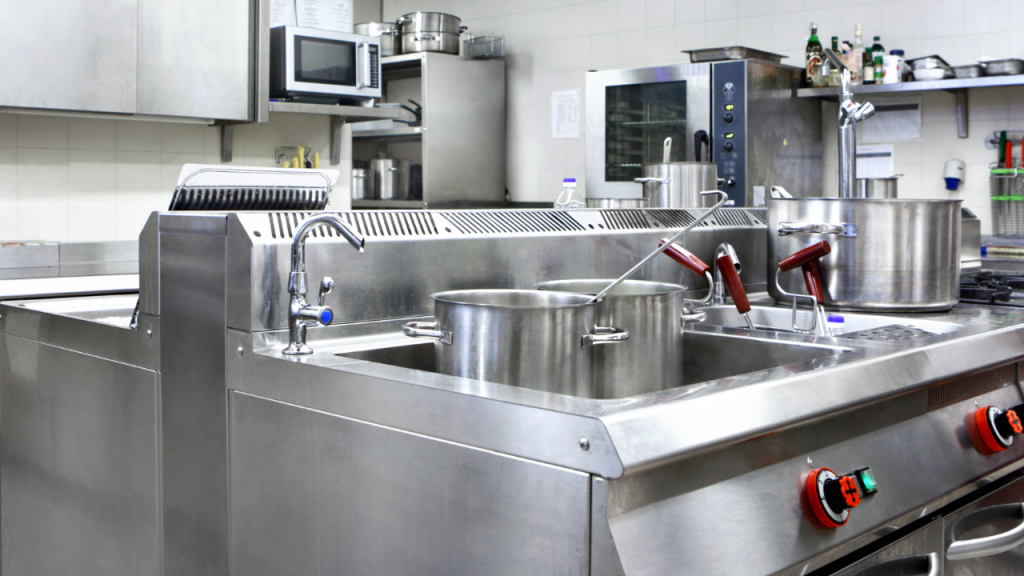
Introduction – What does HACCP stand for? If you run or work in a food business, it’s likely that you’ve heard the term ‘HACCP’. HACCP is a vital part of food safety management, particularly in the organisation, consistency and legality of your approach. That said, information on HACCP can be varied. As food hygiene experts,…
Read MorePreparing For The EHO Visit: A Checklist

What does an EHO Visit consist of? If you prepare food for public consumption, you will eventually be visited by the Environmental Health Officer. The It is a legal requirement that they visit. As a food provider, you are legislatively bound to accommodate their visit and give them access to your premises. However, preparing for…
Read MoreReheating Food: To Warm or Not to Warm?

Most kitchens, domestic and commercial, regularly end the night with leftover food, which is still likely edible. Furthermore, when cooking in bulk, some dishes are just not practical to make fresh to order. Some chefs might even tell you that certain stews and curries taste better after reheating. Reheating food, though, can be a dangerous…
Read MoreRestaurant Food Safety: The 4 C’s

Introduction Restaurant food safety is outlined by the Food Standards Agency within the ‘Safer Food Better Business for Caterers’ document. The FSA centres all of their guidelines for food businesses around the 4 C’s of Food Hygiene: cross-contamination, cleaning, chilling and cooking. In this article, we will consider how we can apply the 4 C’s…
Read More